What takes a demo into the real world?
Define boundaries, measurements and acceptance before a prototype reaches a real setting.
Define success before you start
A prototype demonstration usually covers a limited set of inputs and conditions. Before engineering deployment, agree on acceptable error, response time, operating conditions and failure handling. Turn these into test cases and acceptance records so product, development and field teams can work from the same criteria.
Test interfaces and boundaries
Software and device integration requires checking protocols, formats, permissions, exceptional states and human intervention. A successful connection is a starting point. Test what happens when input is missing, communication stops or a result falls outside the expected range. Use realistic conditions and record the version and configuration.
Use a bounded pilot to learn
Choose a bounded, measurable task for a pilot. Record the baseline, inputs and outcomes before deciding whether to expand. When a use case involves intelligent hardware, also document device compatibility and site constraints. Feed field results back into the design and its tests.
What Webb verified inside Chamber A
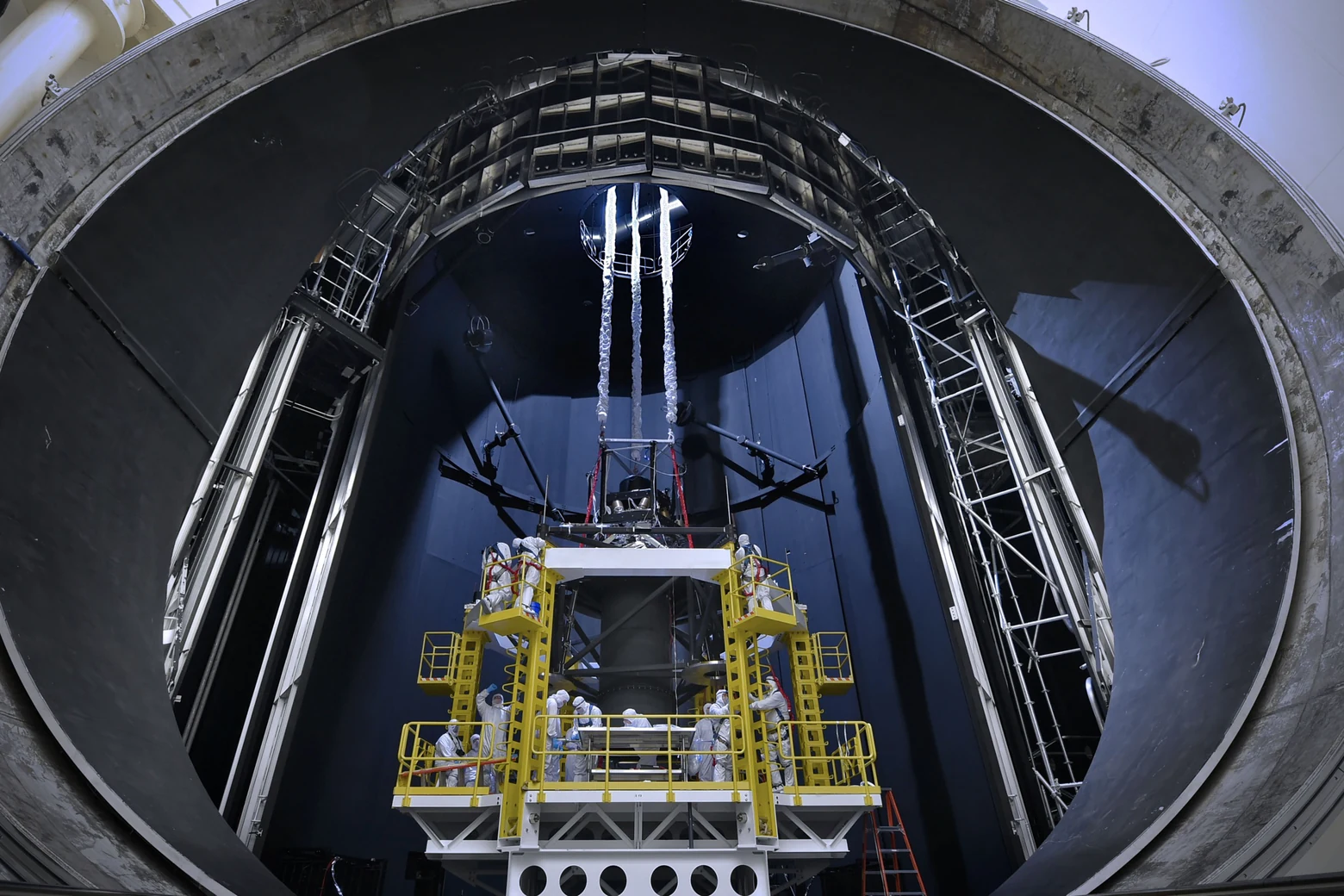
In 2017, NASA tested Webb's optical telescope and integrated science instrument module in the cryogenic vacuum of Chamber A at Johnson Space Center. NASA's account records the test objectives together with the environment. Operating at room temperature would not establish the same evidence about the intended working conditions.
Separate two review questions: does the device meet its specified requirements, and can it do the job in the intended setting? The first calls for measurable checks; the second needs a representative environment, operating procedure, and response to faults. State which question a bench result addresses and what remains for system testing.
Link each important requirement to its test configuration, readings, threshold, and raw attachments. If the team accepts a gap temporarily, name the decision owner and when the follow-up test must happen.
Eighteen segments had to work together
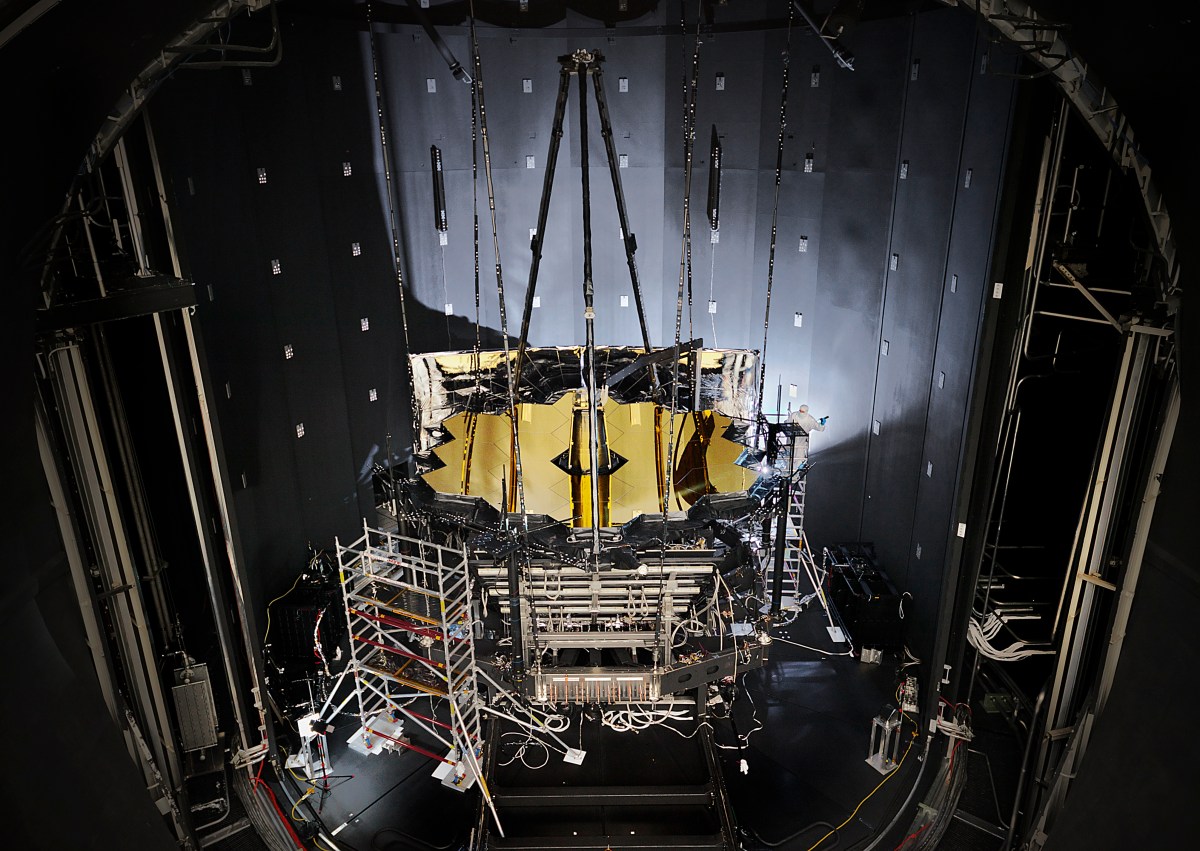
NASA's record of the 2017 Chamber A test describes putting Webb's optical telescope and integrated science instrument module into the same cryogenic vacuum environment. The instruments had already undergone earlier cold testing in a smaller chamber. This was the first time Webb's optics and instruments were tested together. One check examined whether the eighteen primary mirror segments could be aligned to act as one mirror.
That is a reason to test an assembly after its parts have passed individual checks. A segment test can characterize the part under measured conditions. Working together introduces the effects of assembly and operation. The earlier evidence remains useful, and a review should keep track of whether it describes a part, an integrated assembly or the complete system.
NASA's systems engineering handbook also distinguishes a check against specified requirements from an assessment of whether a product fulfills its intended use in its intended environment. Project acceptance can use the first question to check measurable requirements and the second to see whether an operator can complete the intended task. The owner of each check should agree to the evidence it requires.
State the boundary of a passing result
Imagine accepting a device that stores measurement records automatically. A specification check can confirm that each record contains a timestamp and unit. A representative trial can follow an operator through recording, handing over and retrieving measurements under typical working conditions. The two exercises yield different evidence. Record the requirement and the environment covered by each pass.
Integrated testing also has practical gaps. A team may have room-temperature results while a cold test is waiting for a facility slot. Record that gap and the point at which it will be revisited. An owner might accept the device for a restricted use while testing continues. Keep that decision distinguishable from completion of the full acceptance plan.
After a change, pick one affected requirement from the existing record. A changed sensor, mounting assembly or operating procedure can change which evidence still applies. Write down what needs another run. The goal is to keep a usable trail from the requirement and test configuration to the raw observations and the resulting decision.